
Floors and showers often look worse than they really are. Years of soap, dirt and cleaning products settle into the grout and make even good tiles look tired. Grout restoration is a deep clean, small repairs and a fresh seal for grout that is still solid. It works well on stained but sound grout, and it's cheaper than regrouting.
Here's what grout restoration involves, when it's the right call and when you're better off with fresh grout.
Wondering if grout restoration will work?
Send us a photo on WhatsApp and we'll tell you if your grout can be restored.
What Grout Restoration Involves
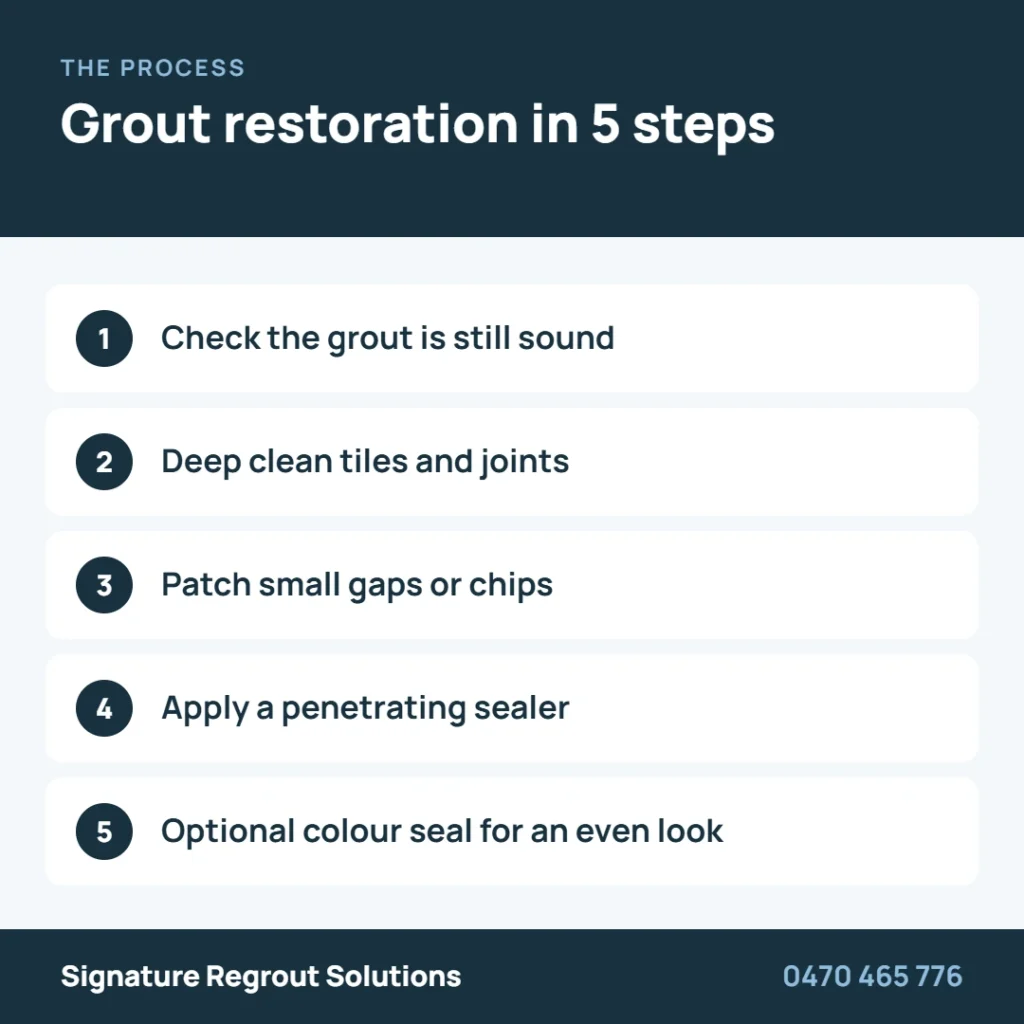
The goal of grout restoration is to bring existing grout back to an even, clean colour and protect it. It usually includes:
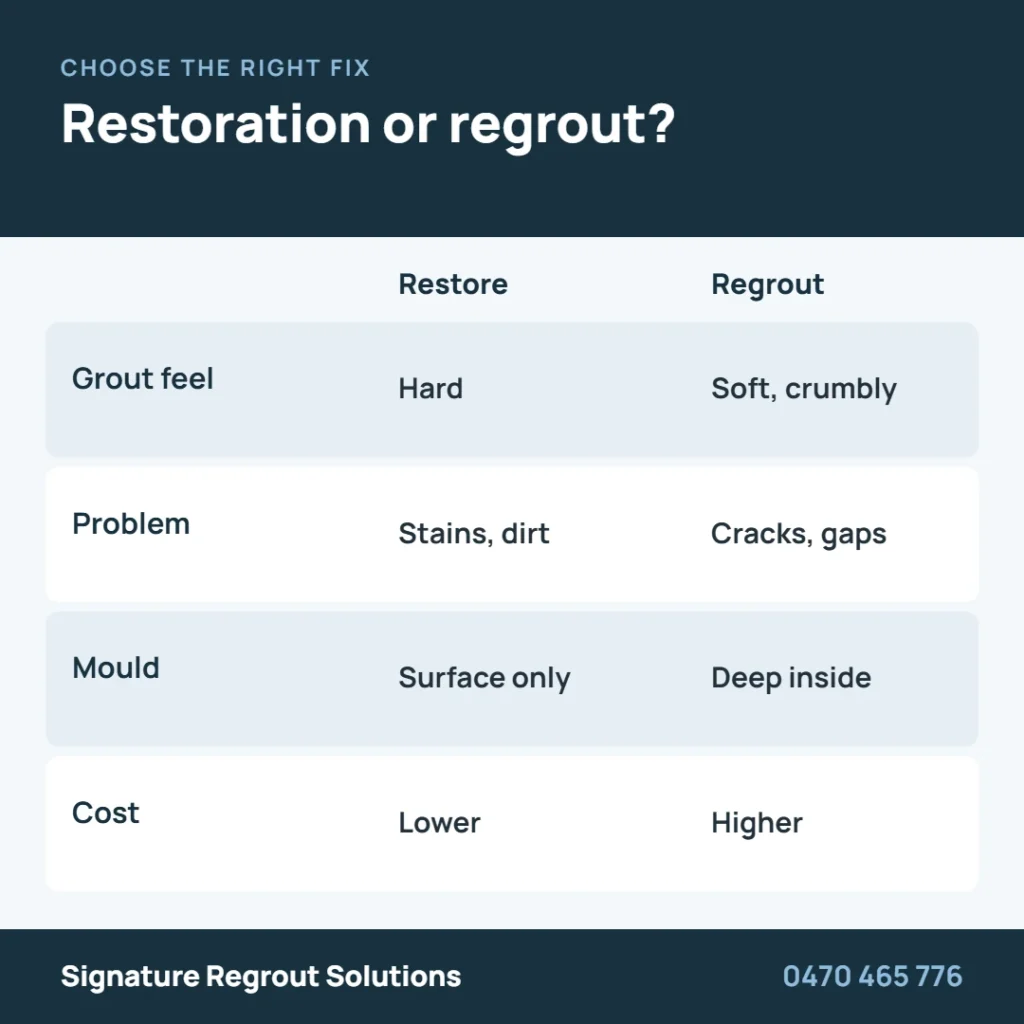
- Checking the grout. It has to be hard and intact. Soft or crumbly grout can't be restored.
- Deep cleaning. Tiles and joints are cleaned with the right products and equipment to lift built-up grime.
- Small repairs. Minor gaps or chips are filled so the surface is even.
- Sealing. A penetrating sealer slows down how fast the grout absorbs water and dirt.
- Colour sealing (optional). A colour sealer gives patchy grout an even, uniform look.
When Grout Restoration Works Best
Grout restoration is a great choice when:
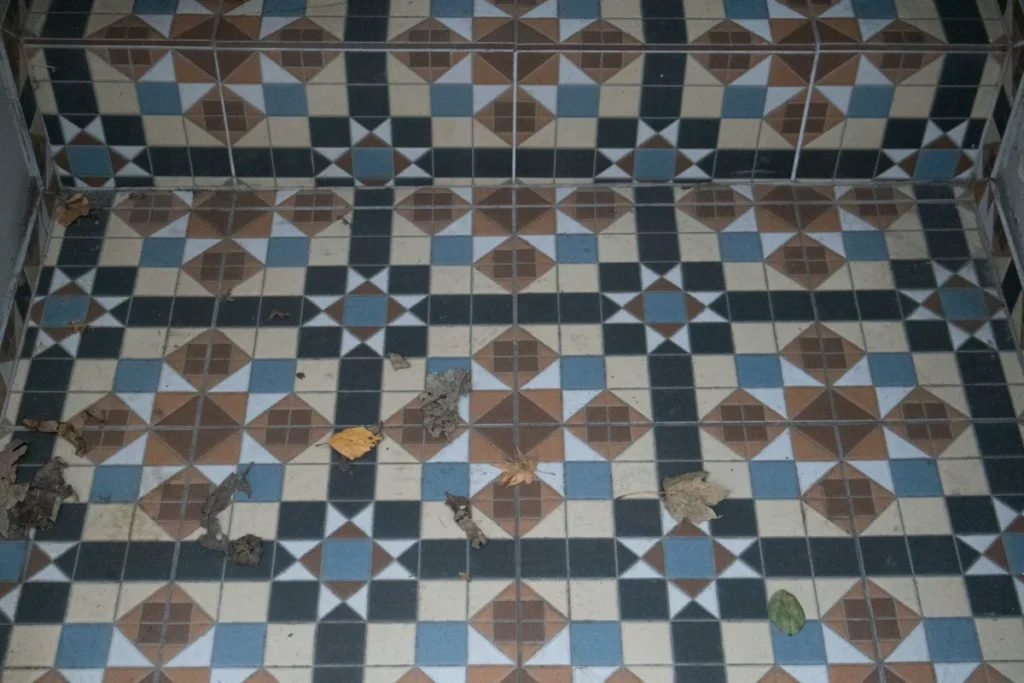
- The grout is stained or grey but still hard
- The colour is patchy but there are no cracks
- Mould marks are on the surface and wipe off
- The tiles are solid and not hollow
Kitchen floors, laundry floors and hallways are common candidates for it, because the grout there gets dirty from foot traffic rather than failing from water.
When Grout Restoration Isn't Enough
If the grout is cracked, crumbly, missing or holding mould deep inside, grout restoration won't fix it. That grout needs to be cut out and replaced. Mould that comes straight back after cleaning is the clearest sign. Our guide to black mould in shower grout explains why, and our guide on whether to clean or regrout has a simple scratch test.
Want a quote for grout restoration?
We'll check whether your grout can be restored or needs replacing, and give you a clear quote.
Grout Restoration in Showers
Showers are tougher. Grout there gets wet every day, so it often breaks down rather than just getting dirty. Restoration can work on shower walls that are still in good shape, but shower floors usually do better with a regrout, especially with epoxy grout. Our mouldy grout replacement page covers that side.
What to Expect on the Day
A restoration visit is usually quicker than a regrout. Expect some noise from cleaning equipment and wet floors while the work is done. Furniture and mats should be moved off the area beforehand. Sealers need time to dry, so it's best to keep foot traffic off the floor for the rest of the day.
The change can be dramatic. Grout that looked dark grey often turns out to be light grey or even white under the grime.
Making Grout Restoration Last
- Use a pH-neutral cleaner rather than bleach or strong acids.
- Mop with clean water, not dirty water that settles into the joints.
- Reseal cement grout when water stops beading on the surface.
- Ventilate wet rooms well; the Better Health Channel explains why damp rooms encourage mould.
At Signature Regrout Solutions, we'll tell you honestly if restoration is enough or if the grout has gone past saving. Sometimes the best advice is the cheaper option.
Grout Restoration vs Regrouting Cost
It costs less because the old grout stays. There's no cutting out, which is the slowest part of a regrout. That's also why it only works on grout that's still in good shape. Paying for a restoration job on failing grout usually means paying for a regrout soon after, so it's worth getting the diagnosis right first.

Quick Questions
How long does grout restoration last?
It depends on traffic, cleaning habits and sealing. Resealing every so often keeps it looking good for longer.
Can grout restoration change the grout colour?
A colour sealer can give an even new shade, but it's a surface coat rather than new grout.
Is grout restoration safe for all tiles?
Most glazed tiles, yes. Natural stone needs gentler products, so mention it when you ask for a quote.
The Bottom Line
If your grout is solid but tired, restoration is a quick, affordable way to bring it back. If it's cracked or crumbling, regrouting is the fix that lasts.
Want to know if grout restoration will work for you?
Send a photo on WhatsApp or give us a call for an honest answer.