
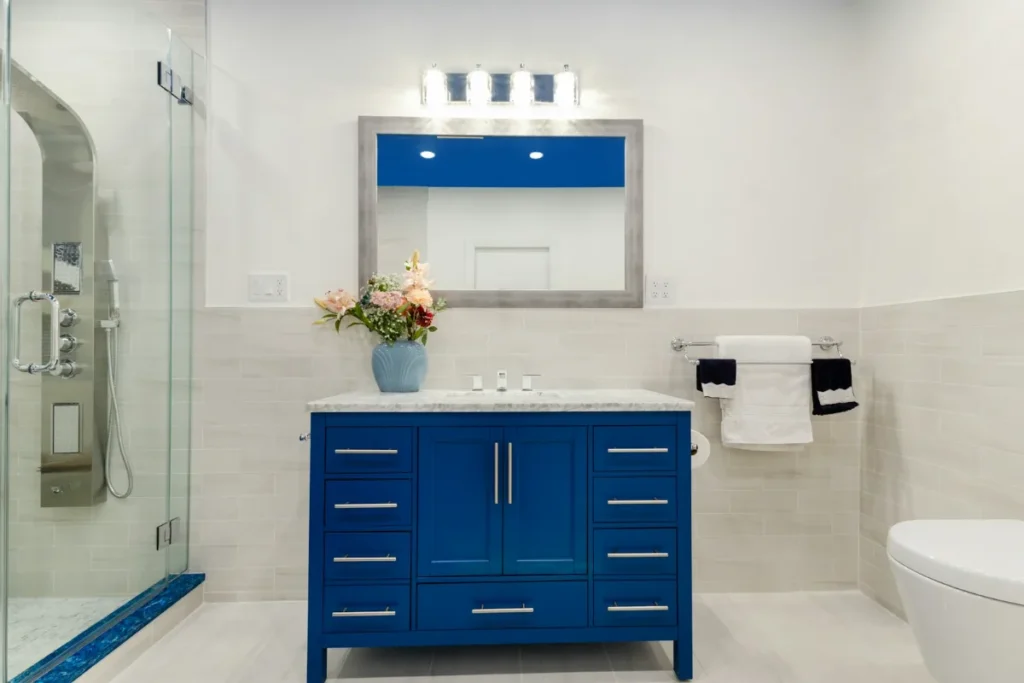
Many bathrooms look old because of the grout, silicone and a few damaged tiles, not because the tiles themselves are worn out. Bathroom tile restoration brings existing tiles back to life with a deep clean, regrouting where needed, new silicone and small tile repairs, without the cost and mess of replacing them.
Here's what tile restoration involves, when it works best and what it can't fix.
Could your bathroom be restored instead of replaced?
Send us a photo on WhatsApp and we'll tell you honestly.
What Tile Restoration Involves
1. Inspection. Tiles are tap-tested for hollow spots and checked for cracks or chips.
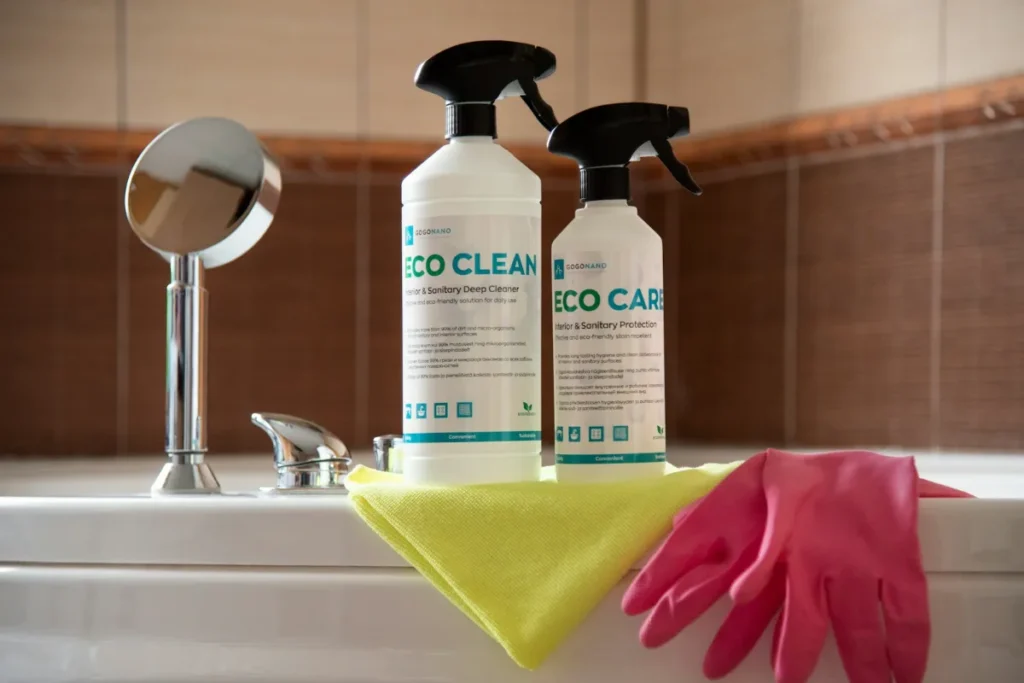
2. Deep clean. Tiles and grout are cleaned to lift years of soap scum and grime.
3. Regrouting. Cracked, crumbly or mouldy grout is cut out and replaced. Our guide to regrouting a shower explains this step.
4. New silicone. Corners, the bath edge, the shower base and the vanity get fresh silicone.
5. Small repairs. Chipped or cracked tiles are replaced where possible. See our small tiling jobs page.
When Tile Restoration Works Best
- The tiles are firmly stuck down
- You're happy with the tile style and colour
- The grout and silicone are tired, stained or cracked
- There's no sign of water damage behind the tiles
In these cases, tile restoration usually makes the biggest visual difference for the least money.
When It Isn't Enough
If many tiles are loose, the waterproofing has failed, or you simply don't like the tiles, restoration won't solve it. Our guide to the signs of a shower leak helps you check for hidden water problems first.
Want a quote for bathroom tile restoration?
We'll inspect your tiles, grout and silicone and give you a clear quote.
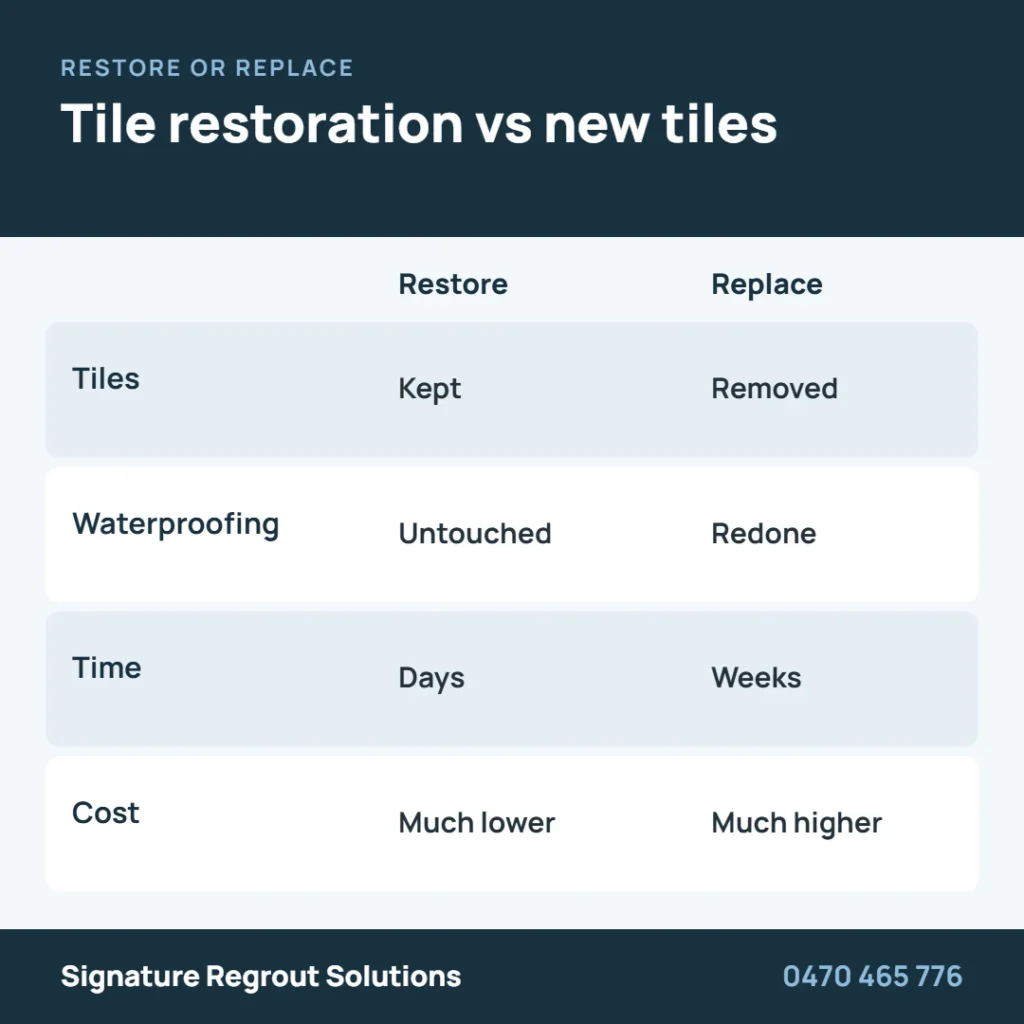
Tile Restoration vs Replacing Tiles
| Tile restoration | Replacing tiles | |
|---|---|---|
| Tiles | Kept | Removed |
| Waterproofing | Untouched | Redone |
| Time | Days | Weeks |
| Cost | Much lower | Much higher |
Our guide to a bathroom makeover without renovating shows how far a restoration can go.
What It Looks Like on the Day
Most tile restoration jobs start with a walk-through so you know exactly which areas will be cleaned, which will be regrouted and which tiles need attention. The bathroom is protected, drains are covered and the work moves from the wettest areas outward. Grout removal is the noisiest part. Cleaning, regrouting and siliconing follow, and the day ends with a run-through of curing times and care.
You can usually use the toilet and basin during the job. The shower stays out of use until the grout and silicone have cured, which is often about a day with epoxy and longer with cement grout. Our guide to how long after regrouting explains the timing.
Choosing Grout and Silicone Colours
Tile restoration is a good chance to rethink colour. Matching grout to the tiles gives a calm, seamless look. A slightly darker shade hides wear on floors. Silicone should match the grout so the corners and edges blend in. If your tiles are an older colour, a neutral grey often makes them look more current without fighting the style.
Why Tiles Usually Outlast Grout
Glazed tiles are hard and non-porous. Cement grout is soft and porous by comparison. Over years of showers and cleaning, the grout absorbs water and soap, darkens, cracks and grows mould, while the tile surface barely changes. That's why so many bathrooms that look worn out only need tile restoration, not new tiles.
Older Bathrooms
Older bathrooms often benefit most from tile restoration. The tiles may have lasted decades, but the grout and silicone are long past their best. Fresh grout and a new grout colour can make a dated style look intentional. Our guide to regrouting old tiles explains what to check first.
At Signature Regrout Solutions, we'll tell you plainly whether your tiles are worth restoring, or whether the money is better spent elsewhere.
Keeping Restored Tiles Looking Good
Run the exhaust fan, squeegee the shower, clean weekly with a gentle cleaner and reseal cement grout when needed. Mould thrives in damp rooms, as the Better Health Channel explains, so ventilation is the single most useful habit.
Quick Questions
How long does tile restoration take?
Usually a few days, depending on how much grout and silicone is replaced.
Can tile restoration change the grout colour?
Yes, if the grout is replaced. A colour sealer is an option for sound grout.
Is tile restoration worth it before selling?
Often, yes. It makes a bathroom look well kept in photos and at inspections.
The Bottom Line
If your tiles are solid and you like them, tile restoration is usually the smartest way to refresh a bathroom.
Want to bring your tiles back to life?
Send a photo on WhatsApp or give us a call for an honest answer.